Understanding the Importance of Payment Flexibility for Consumers and Businesses

Why Payment Flexibility Matters
In a world that is rapidly evolving, the way we conduct transactions has also undergone significant transformation. Payment flexibility is no longer a luxury; it’s a necessity. With the growing diversity in customer preferences and the rise of e-commerce, businesses must adapt to offer various payment options. The ability to cater to different payment methods, such as credit cards, digital wallets, and even cryptocurrencies, has become essential, particularly in an age where Why Payment Flexibility Matters With Online Casino Free Spins No Deposit online casino free spins no deposit offers are prevalent, highlighting the importance of convenience in transactions.
The Rise of Payment Options
The increasing digitization of commerce has led to an explosion of payment options available to consumers. Cash, once considered the primary form of transaction, is losing its dominance. The COVID-19 pandemic accelerated the transition towards cashless transactions, changing consumer behavior and expectations permanently. Customers expect businesses to accept various payment methods that suit their lifestyles - whether it’s using mobile payment apps, contactless cards, or even cryptocurrencies.
Consumer Convenience
One of the primary reasons payment flexibility matters is the convenience it offers consumers. When customers have the choice to pay in a manner that suits them best, it enhances their overall shopping experience. Imagine a scenario where a customer intends to make a purchase but discovers that their preferred payment method is not accepted. This situation can lead to frustration, abandoned carts, and ultimately a loss of business for the retailer. Providing a range of payment options ensures that customers can complete their transactions smoothly, minimizing friction and boosting satisfaction.
Creating Customer Loyalty
In today’s competitive marketplace, customer loyalty can be a significant differentiator for businesses. Payment flexibility plays a crucial role in building this loyalty. When customers feel valued, as evidenced by the variety of payment options available to them, they are more likely to return. This is especially relevant in industries such as e-commerce, travel, and entertainment, where consumers have countless choices. Offering payment flexibility can create a positive association with the brand and increase the chances of repeat business.

Impact on Sales and Revenue
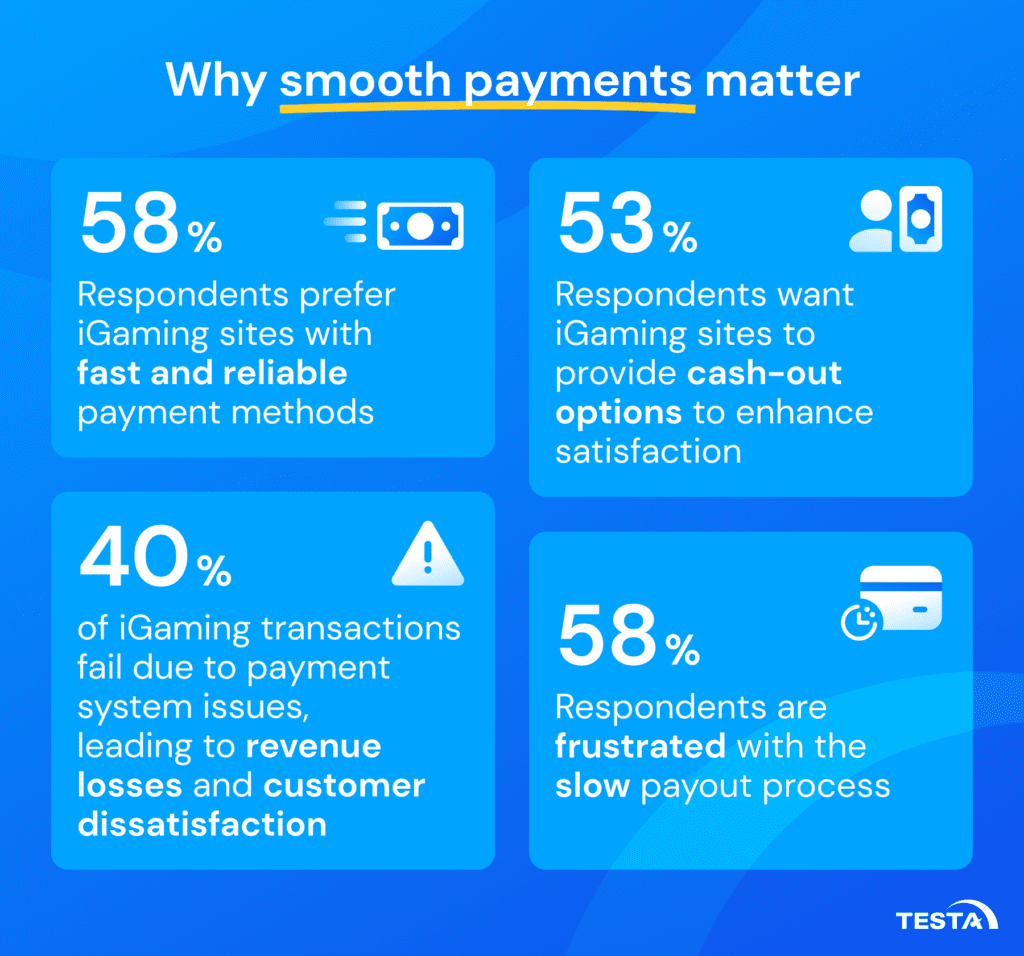
From a business perspective, payment flexibility can lead to increased sales and revenue. Statistically, offering diverse payment options can significantly reduce cart abandonment rates. Many customers abandon their purchase when their preferred payment method is not available. A study found that around 27% of online shoppers abandon their carts because they cannot find their preferred payment option. By allowing various payment methods, businesses can capture more sales and enhance their revenue potential.
Risk Management and Fraud Prevention
Payment flexibility is not just about providing options; it also involves understanding the associated risks. Different payment methods come with varying levels of risk regarding fraud and chargebacks. Businesses need to carefully manage these risks while maintaining a flexible payment ecosystem. Implementing fraud detection strategies and risk management practices is essential to protecting both the business and customers. Offering trusted and secure payment options can improve customer confidence and trust.
Adaptation to Emerging Technologies
The financial landscape is continually transforming due to technology. Fintech innovations, such as blockchain and artificial intelligence, are changing how payment systems operate. Businesses that embrace these changes by offering the latest payment technologies can appeal to tech-savvy consumers. Furthermore, adapting to technologies like buy-now-pay-later services can meet the evolving needs of customers, especially younger generations looking for affordability and flexibility in their purchases.
Regulatory Considerations
While offering payment flexibility benefits businesses and consumers alike, it is crucial to navigate regulatory requirements. Different regions have specific regulations governing payment processing, and businesses must comply with these laws to avoid penalties. Understanding the compliance landscape is vital in implementing diverse payment solutions and fostering customer trust.
Looking Toward the Future
As we look ahead, the importance of payment flexibility will likely grow even more pronounced. The rise of the gig economy and remote work has changed how consumers earn and spend money. Businesses must be forward-thinking, considering how emerging payment methods, such as digital currencies and predictive payment systems, will shape consumer behavior. By preparing for the future, businesses can stay competitive and cater to the evolving needs of their customers.
Conclusion
In conclusion, payment flexibility is a vital consideration for businesses and consumers alike. It enhances customer satisfaction, promotes loyalty, drives sales, and prepares organizations for future challenges in the financial landscape. As payment technologies continue to evolve, businesses that prioritize offering flexible payment options will not only thrive but will also lead the way in creating seamless and enjoyable transactions for consumers. Understanding why payment flexibility matters is crucial in today’s digital age, where consumer preferences are changing rapidly and adaptability is key to success.

